Sustainable Video Production - What It Actually Looks Like On Set
There's a version of this post where I list every eco-friendly decision I've made on a shoot and invite you to be impressed. This isn't that post.
The honest version is that I came to sustainable production the same way most people come to anything worth caring about; gradually, then all at once. Years of working across the UK and Europe, watching the logistical machinery that goes into making a few minutes of footage, and slowly becoming unable to ignore the gap between what the industry says it values and what actually happens between call time and wrap.
So here's where I've landed. Not a manifesto. Just the what, the why, and the how.
What Sustainable Video Production Actually Means
Sustainable production gets used as a catch-all for everything from recycling on set to carbon offsetting a transatlantic shoot, which is part of why it gets dismissed. When the definition is that broad, it's easy to cherry-pick.
The way I think about it is simpler: it means making deliberate decisions about resources, time, kit, crew, travel, energy — and being honest about the trade-offs. It's not about perfection. It's about not defaulting to the path of least resistance when a slightly more considered path exists.
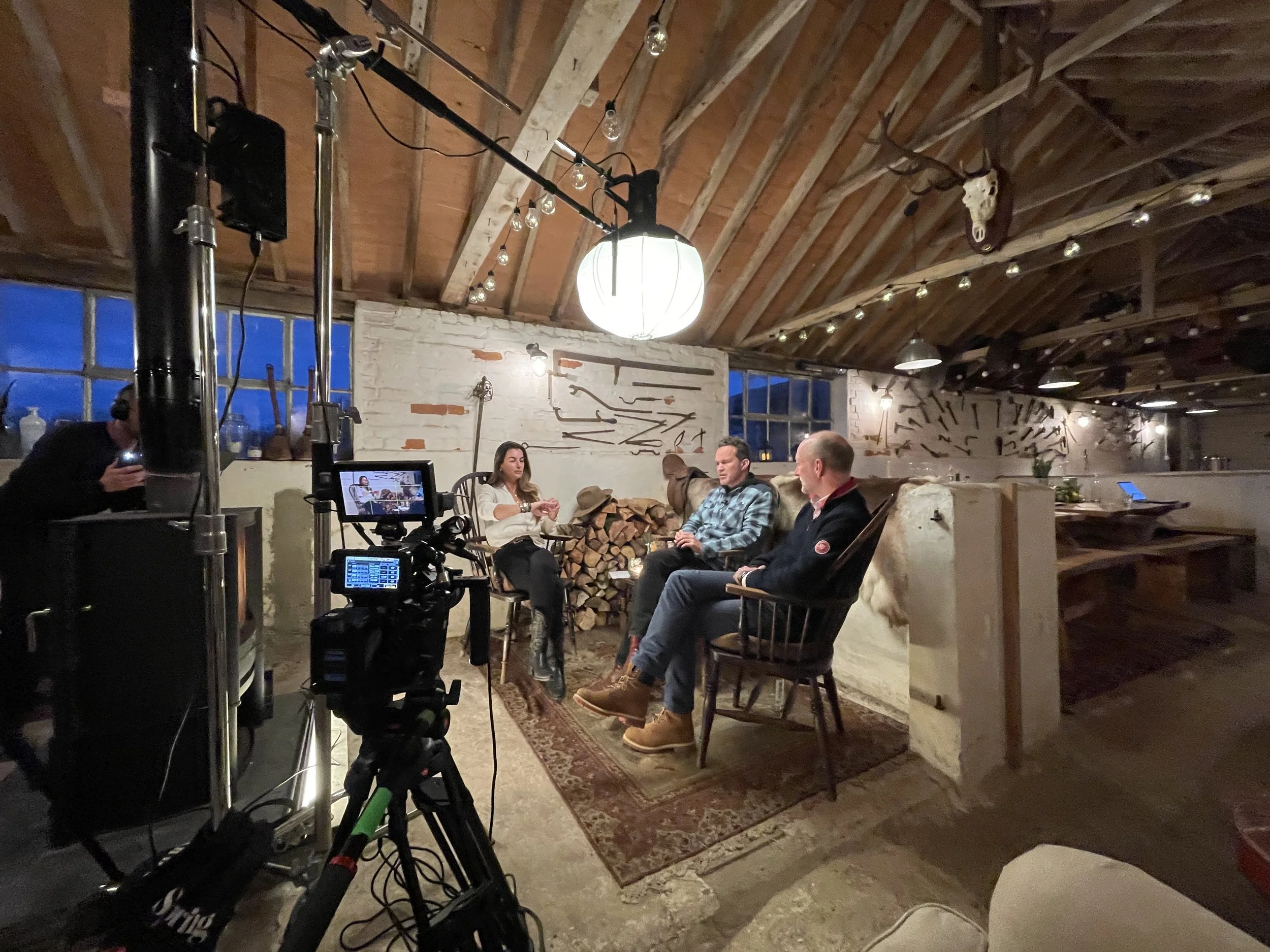
On a practical level, that looks like: leaning on available light and smaller battery-powered fixtures where the work allows it. Travelling light and local wherever possible. Questioning whether that extra hire, that extra travel day, that extra piece of kit is actually serving the film or just providing comfort. Often it's the latter.
Why it matters to me
I work predominantly with brands that have something genuine to say, companies building products and services around a different set of values than the default. B Corps, independent makers, businesses that have put real thought into how they operate.
There's something quietly contradictory about making films for those clients using production methods that haven't been interrogated in the same way. If the story is about doing things better, the process should at least be trying to do the same.
That's not a moral position so much as a consistency one. The clients I'm most drawn to are the ones who hold their whole operation to account, not just their marketing. It felt right to apply that same scrutiny to how I work.
There's also a more practical thread here. I've been spending more time thinking about what I want the next chapter of my work to look like — what kind of projects, what kind of clients, what kind of collaborations. Sustainable production isn't a niche I'm bolting onto an existing practice. It's increasingly the lens through which I'm thinking about the whole thing.
How I Approach Sustainable Video Production in Practice
A few things I've found actually move the needle, without requiring a complete rethink of how shoots work.
Location over studio, where it makes sense. Real environments tend to produce more interesting images anyway. Avoiding the energy cost of a full studio build is a byproduct, not the point, but it's a consistent one.
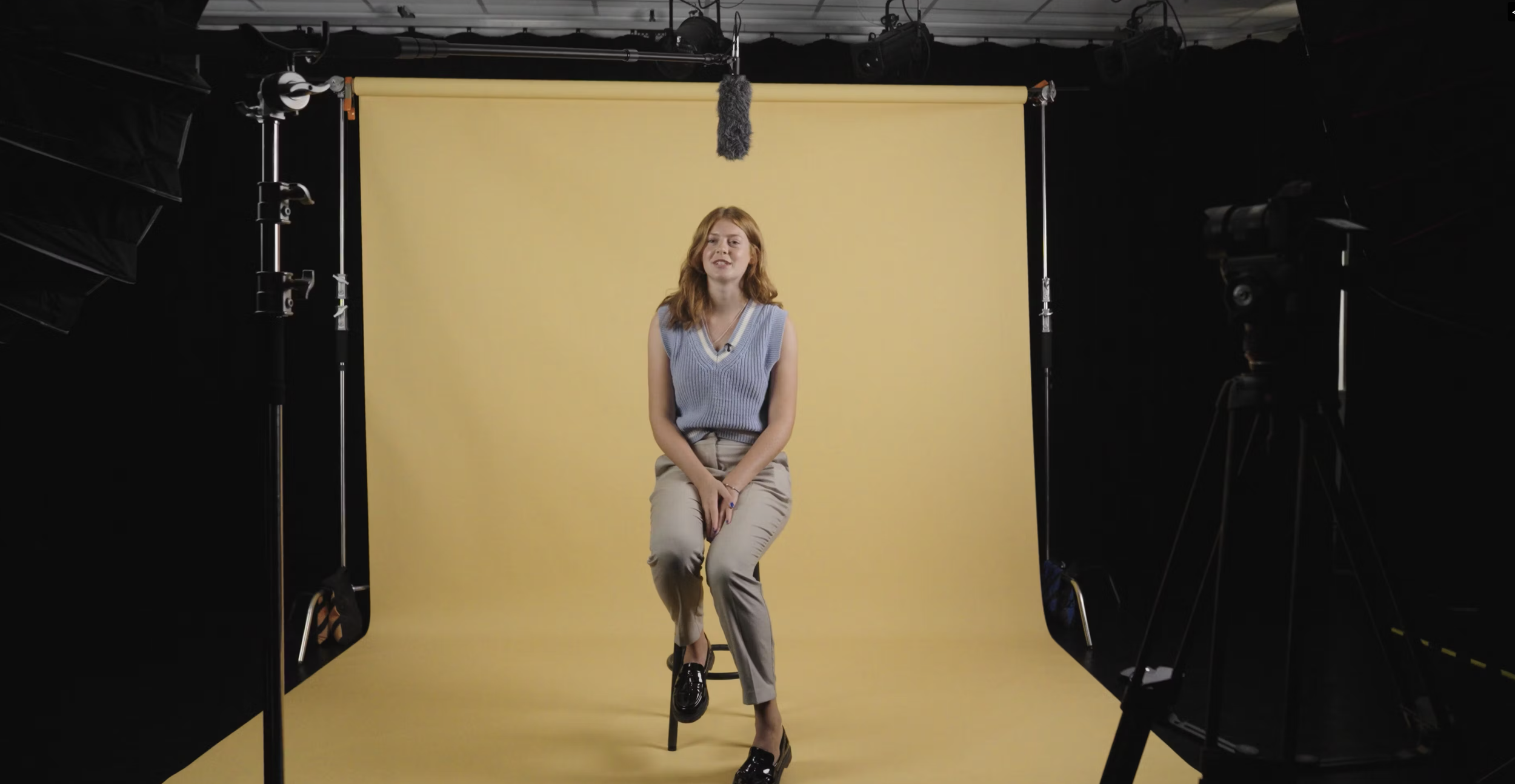
Smaller, more capable crews. Not cutting corners. Running a tighter operation that moves faster, adapts better, and doesn't generate the kind of logistical bloat that turns a two-day job into a four-day one.
Honest conversations in pre-production. The decisions that shape a production's environmental footprint are almost entirely made before anyone picks up a camera. Getting into the room early — or on the call — is where this actually gets done.
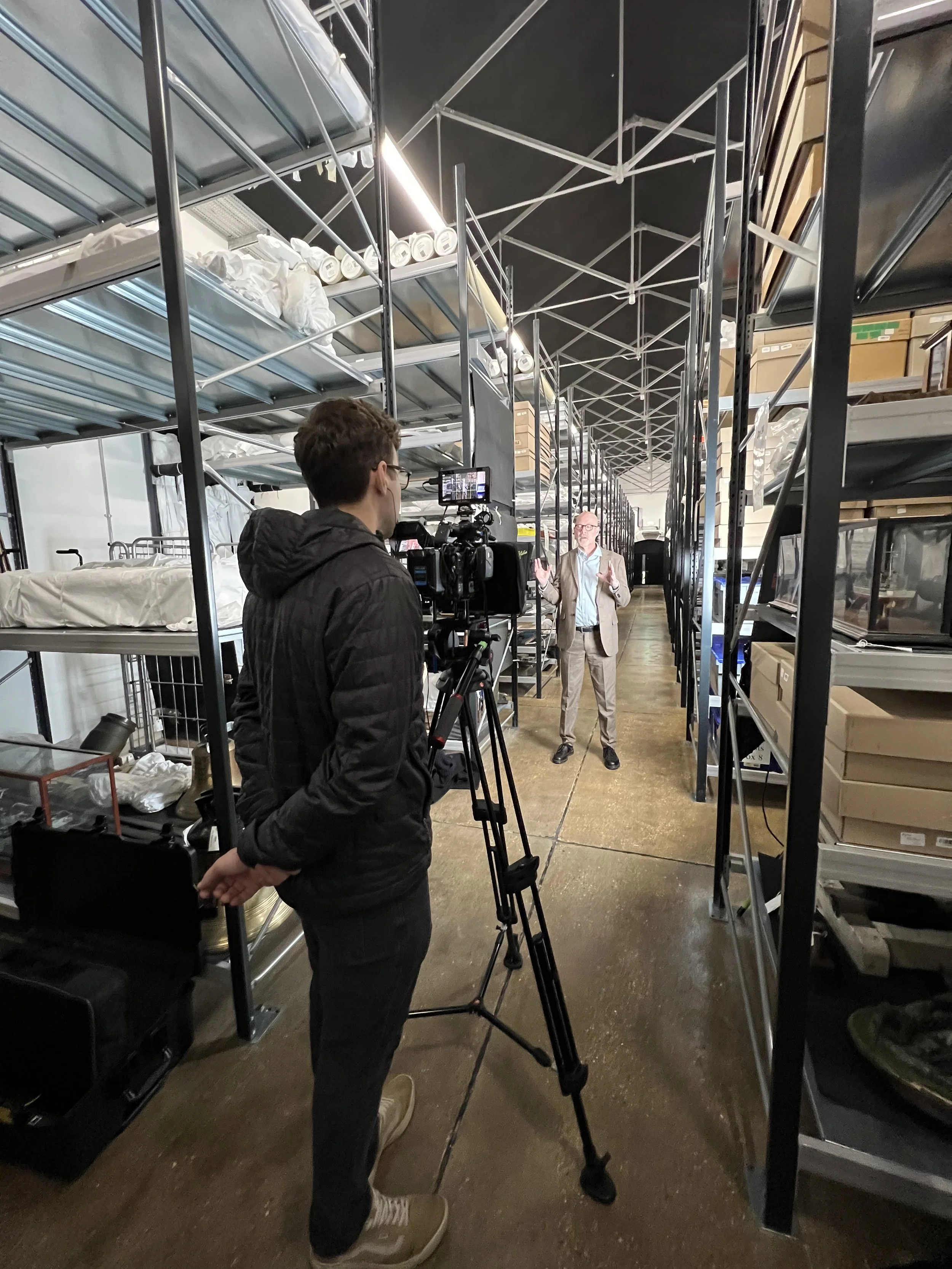
Fewer but better. Less footage. More intention. There's a version of production that treats volume as a proxy for value. I don't think that serves the work or the client particularly well, and it certainly doesn't serve anything else.
None of this is groundbreaking. Most of it is just considered filmmaking with a slightly wider definition of what counts as a good outcome.
What I do think is changing is the appetite for it. More clients are asking better questions earlier. More briefs include language about values and process, not just deliverables. That shift, slow as it is, is the reason I think this is worth writing about, and worth building into how I work.
More on that last part soon.